
Research-driven
software engineering
Modern software success is no longer determined by speed alone. Research-driven engineering helps businesses build scalable, maintainable, and user-focused digital products that create long-term value.
Written by BigChez Team
Building software with strategy, not assumptions.
At BigChez Solutions, we've watched the same thing happen too many times to call it a coincidence. A capable team, clean code, an on-time delivery, and a final product that technically works but doesn't solve the problem it was built for. The software isn't broken. It's just answering the wrong question.
That gap, between software that functions and software that actually works for the people using it, is almost never a coding problem. It's a research problem. And it's the single biggest reason we build the way we do.
The Failure Happens Before Anyone Writes Code
Most software failures get blamed on execution. The real cause usually sits much earlier, in decisions made before development began. A team commits to an architecture before fully understanding the load it will face. A data model gets locked in around current requirements, with no thought for how the system will be queried in two years. An integration is assumed to be simple because nobody checked.
None of these are coding mistakes. They are understanding mistakes. And they are expensive precisely because they are invisible at the start. The system launches and looks fine. Then usage grows, edge cases appear, performance degrades, and the cost of the early shortcut finally comes due, usually as a rebuild.
What Research-Driven Engineering Actually Changes
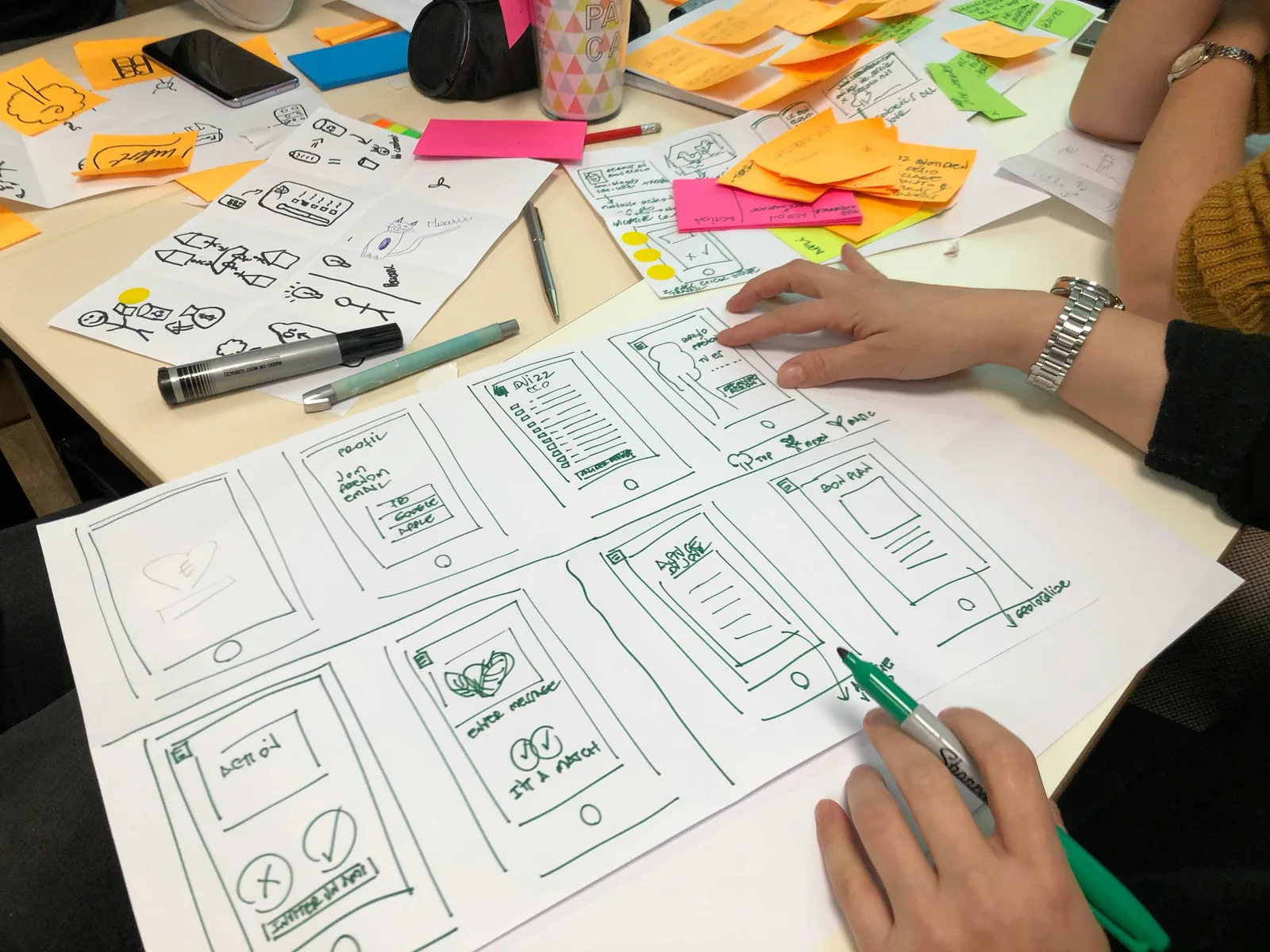
Research-driven engineering is not a slower version of normal development. It's a different starting point. Before we commit to an architecture, we evaluate the things that actually determine whether a system will hold up: how the business really operates, who the real users are, where the existing process breaks, what realistic growth looks like, and which assumptions in the brief won't survive contact with reality.
This produces alignment that's hard to achieve any other way. The architecture maps to how the business genuinely works, not to how it was described in a document. The decisions that shape the product are made on evidence rather than guesswork. And the surprises that normally derail a project in month four have mostly been found and resolved in week two, when they cost a conversation instead of a rebuild.
The Cost Curve Nobody Plans For
There's a pattern to how much mistakes cost depending on when they're found. A flawed assumption caught during research costs a discussion and a revised plan. The same flaw caught during development costs the time spent building the wrong thing, plus the time to rebuild it. Caught after launch, it can cost the entire system, along with the trust of the people who depended on it.
This is why research doesn't actually add time to a project. Wrong first attempts add time. A focused research phase pays for itself the first time it prevents a single rebuild, and on complex systems it prevents several.
What This Looks Like in Practice
The difference is measurable, and we've seen it directly. A maritime training institution came to us running on a system that crashed under normal load and forced nearly every booking through the office by phone. The obvious move would have been to rebuild the same system, just better. Instead, we spent time first understanding how the institution actually operated, where the friction really was, what their administrators did all day, and which parts of the process could move online and which genuinely couldn't.
That research shaped everything that followed: what to build first, how to structure the data, and how to roll it out so the team could adapt. Daily bookings moved from under ₹1 lakh to consistently over ₹5 lakhs, with more than 90% happening online. Administrative workload dropped by roughly 90%. Bookings now come in on Sundays, when the office is closed and nobody is processing anything.
None of that came from using better technology than anyone else. The tools were ordinary. The result came from understanding the problem completely before building the solution. The demand was always there. The old system was the reason it wasn't being captured.
Better Architecture Comes From Better Understanding
Strong architecture rarely happens by accident. Systems that stay stable as they grow are the result of decisions made with real information: expected user growth, how data actually flows, where the bottlenecks will appear, and what the system will need to integrate with later.
When those questions are answered before the architecture is set, the foundation can carry real growth. When they're skipped, the foundation has to be torn up and replaced the moment the system succeeds, which is the worst possible time to be rebuilding it.
Why Faster Isn't Always Better
There's a common belief that speed of delivery is the competitive advantage. Sometimes it is. But speed without direction tends to produce instability, rework, and a system that becomes harder to maintain with every shortcut taken to ship it sooner.
Research-driven engineering can look slower at the start, because the visible work, the code, comes later. What it actually does is move the hard thinking to the front, where it's cheap, instead of the back, where it's not. The teams that have been through both approaches tend to be clear about which one they'd choose again.
The Honest Bottom Line
Research-driven engineering produces better software for a straightforward reason: the quality of a system is limited by the quality of the understanding it was built on. A product designed around a thorough grasp of the problem, the users, and the real-world constraints will outperform one built on a summary of those things, not because of any technical edge, but because it was built to solve the right problem from the start.
At BigChez Solutions, we don't compete by moving faster than everyone else. We compete by making better engineering decisions before the building begins, because that is what consistently produces software worth keeping.
Filed under

What R&D-Driven Development Actually Means in Practice
Most people picture a lab. What R&D-driven development actually looks like inside a software company is simpler and more consequential structured investigation before commitment.
Read
Why We Research Before We Build: Our Actual Process
Most teams move straight from conversation to code, building on assumptions nobody verified. Here's the deliberate research step we run before writing a line and why it changes what gets built.
Read
Let's connect
Pick your preferred way to get started. We'll respond within 24 hours.