Case Study · Maritime Education & Training
From a booking page that kept crashing to ₹1.5 crore in online bookings

₹5L+
Daily bookings, up from under ₹1 lakh
90%+
Of bookings now placed online — even on Sundays
99.9%
Uptime — on a site that used to crash mid-transaction
92%
Cut in monthly cloud cost (₹30K → ₹2.5K)
In the first phase alone, daily revenue moved from under ₹1 lakh — almost entirely manual — to consistently over ₹5 lakh, with more than 90% of bookings now placed online, including on Sundays when the office is closed. Total booking volume has since crossed ₹1.5 crore, up from under ₹50 lakh.
One of Kerala's largest private maritime institutes trains thousands of cadets across pre-sea and post-sea programmes. Yet its entire booking operation ran on an off-the-shelf admin template and a website that buckled under real traffic — post-sea bookings were taken manually, over the phone, during office hours only. BigChez was engaged not to “add a website,” but to rebuild the institute's day-to-day operations around how it actually works. We delivered it in two deliberately sequenced phases, and the platform remains under our ongoing management today.
Before BigChez, the institute's digital presence was working against it. The booking site was a generic template, not designed for the load or the workflows it was being asked to carry — and it went down often, sometimes mid-transaction. On a phone, where most students actually are, the experience was broken or simply unavailable. So the real booking system was people. To reserve a post-sea course, a student had to call the office; an admin would take the booking, record it by hand, and push it through a template panel that itself frequently froze. Bookings could only happen when the office was open and someone was free to answer. The institute was earning under ₹1 lakh a day — a number that reflected the limits of its own process, not the demand in the market. Inside the campus, a different problem ran in parallel. Under IMU rules, cadets aren't allowed mobile phones, so the college issues each student a wallet balance to spend at the café. That entire system was manual, hard to reconcile, and a daily drain on staff time.
We studied the institute before we designed anything.
Before writing a line of code, we spent time understanding how the institute genuinely operates — where admins lost hours, where students gave up, and what management needed to see to make decisions. One finding shaped everything that followed: most of the institute's users are not twenty-year-olds. A large share are professionals in their thirties and forties, returning for post-sea certification. So we designed the experience around them — fewer steps, clearer language, no assumptions about digital fluency — and engineered it to be secure and dependable for people who simply needed it to work.
A platform built around the institute — not a template.
We replaced the generic panel with a custom, fully role-based operations platform where every department sees exactly what it should. From a single dashboard, the institute now runs its courses and categories, its pre-sea and post-sea batches and the students inside them, packages, departments, staff, facilities and documents. Bookings — online and manual — flow through one controlled system instead of a phone log, and every rupee is visible through daily collection reports. Content, popups and offers are managed in-house without a developer, activity and event logs make the whole system auditable in real time, and directors receive their reports straight to WhatsApp through an inbound webhook — no login required. Around this core, we built dedicated portals for partners and for the café, each with its own scoped access.
A cashless campus that fits the rules.
Under IMU regulations, cadets aren't allowed mobile phones on campus, so the college issues each student a wallet balance to spend at the café. That entire system used to be manual and painful to reconcile. We turned it into a fully barcode-based transaction system: students top up anytime, spend with a scan, and the institute reconciles everything automatically — a clean digital answer to a constraint created by the no-mobile rule.
A rollout that respected the people using it.
The admins were the ones who would be displaced by the change, so we treated the transition as a first-class engineering problem. Phase one focused on post-sea — the more structured, higher-volume programme — and we deployed it gradually, letting staff and students migrate at a pace they could absorb. By the time the second phase began, the team had lived inside a fully online process long enough to trust it.
Phase two: scale it, then make it cheap to run.
With the platform proven, we turned to performance and cost. Through caching and architectural optimization, we cut the monthly cloud bill from around ₹30,000 to under ₹2,500 — while improving the platform's ability to absorb peak traffic. We also rebuilt the site's SEO foundation, structuring it so that AI-driven search engines can understand and surface the institute correctly.
Why this stack.
We built on the React Router framework for fast, SEO-ready rendering that still feels like an app; Node.js for a single, consistent language across a wide surface of admin, booking, wallet and portal logic; and PostgreSQL because an institute's data — students, batches, transactions, collections — is deeply relational and demands real integrity guarantees. The result is a system that is lean to operate and ready to scale.
What's next.
In the next phase we are bringing pre-sea bookings online and layering in AI-driven course recommendations to help students choose the right path — continuing the same research-first partnership.
The numbers tell part of the story — daily bookings moved from under ₹1 lakh to consistently over ₹5 lakhs, and more than 90% happens online now. But what actually changed our operation was that students stopped needing us to do things for them. Bookings come in on Sundays. The office is closed. Nobody is processing anything. It just works.
Director of Operations
Maritime Training Institution, Kerala

Related reading
Indian EdTech: What Institutions Get Wrong
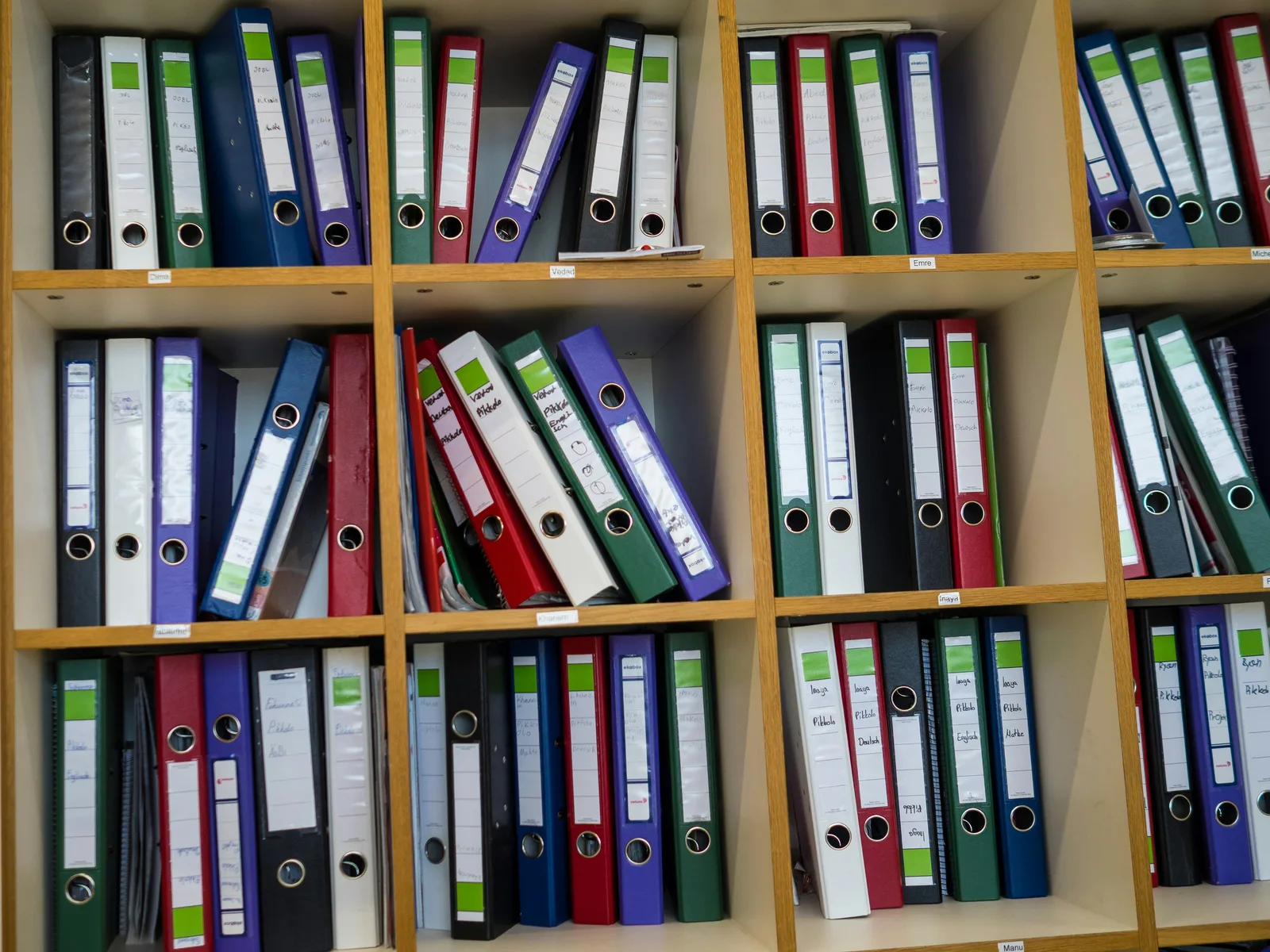
Two institutions. Two different problems. One consistent pattern. A direct account of what we observed building real systems for Indian educational institutions — and what keeps most of them stuck.
Why We Research Before We Build: Our Actual Process
Most teams move straight from conversation to code, building on assumptions nobody verified. Here's the deliberate research step we run before writing a line and why it changes what gets built.
Why Research-Driven Engineering Produces Better Software
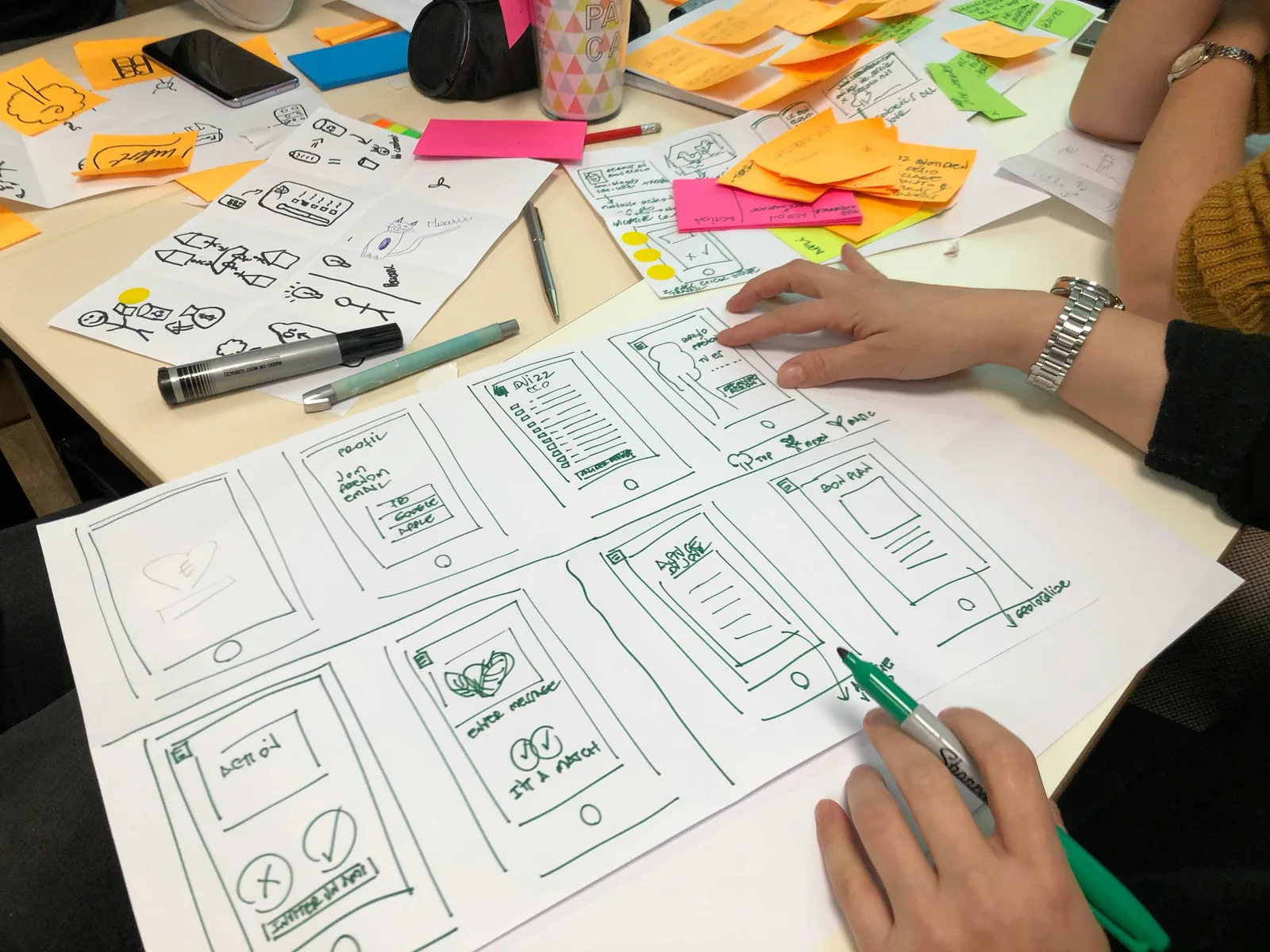
Modern software success is no longer determined by speed alone. Research-driven engineering helps businesses build scalable, maintainable, and user-focused digital products that create long-term value.

Let's connect
Pick your preferred way to get started. We'll respond within 24 hours.